Upcoming Events
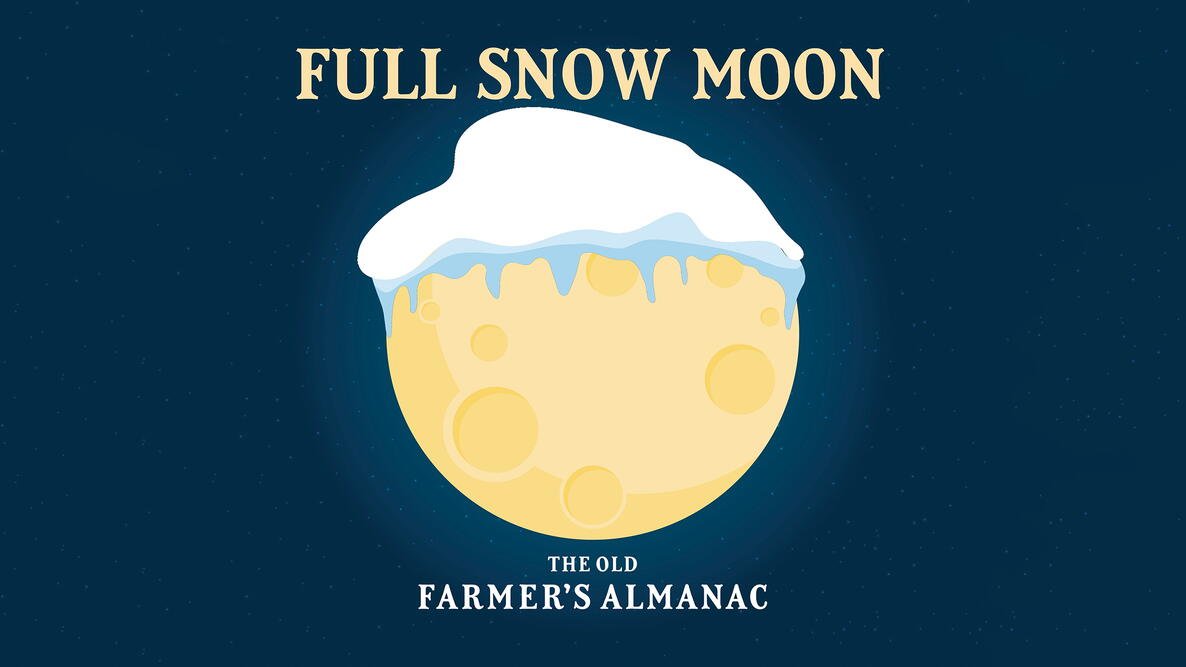
Full Snow Moon
Full Snow Moon is also known as the Full Hunger Moon, the last winter moon that occurs before spring’s abundance begins to emerge.
Peak illumination occurs at 5:09 p.m. on Sunday.
Click on “View Event” for more full moon thoughts and rituals you can observe at home on this special day!
Full Hunter's Moon
With fields cleared, hunting became easier. This Moon is about precision and readiness.
October’s Hunter’s Moon arrives as a luminous reminder that the year’s cycles are shifting and that preparation, reflection, and intention are essential. Named for the traditional season of gathering and readiness, this full moon historically signaled a time when hunters secured food supplies for the coming winter. In modern spiritual practice, its energy continues to encourage focus on both external preparation and internal wisdom.
All Saints Day ~ Dia de los Muertos
Day of the Dead is a rare holiday for celebrating death and life. It is unlike any holiday where mourning is exchanged for celebration.
All Saints' Day, celebrated on November 1st (or the first Sunday after Pentecost in the East), honors all Christian saints, known and unknown, who have achieved heaven, serving as a solemn holy day, especially in Catholicism, following Halloween (All Hallows' Eve) and preceding All Souls' Day (Nov 2nd) for remembering the departed.

Full Harvest Moon
As summer wanes and autumn’s approach becomes tangible, the Harvest Moon rises with steady radiance, inviting a pause to honor nourishment, accomplishment, and personal harvest. In 2026, this Corn Moon also serves as the Harvest Moon, the full moon closest to the Autumn Equinox, traditionally associated with gathering, completion, and readiness for the season ahead. Its name evokes the harvest season, when fields yield their crops and attention turns toward gathering what has been cultivated. Under this full moon’s glow, we are reminded to acknowledge both the literal and metaphorical bounty in our lives.
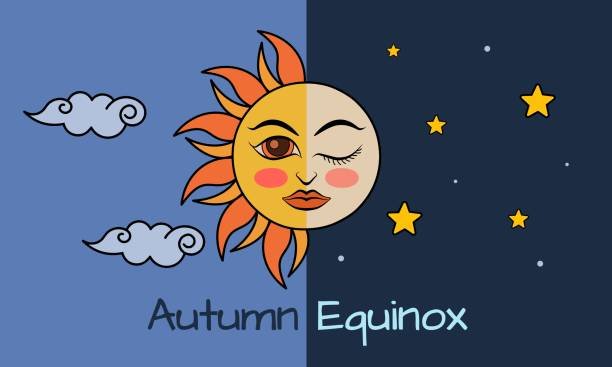
Autumn Equinox
The September Equinox, or Autumnal Equinox, marks the start of autumn in the Northern Hemisphere and spring in the Southern Hemisphere, signifying a moment of balance where day and night are nearly equal in length as the Sun crosses the celestial equator.
Its significance lies in agriculture (the Harvest Moon), astronomy (equal day/night, Northern Lights peak), and culture (harvest festivals, balance of light/dark, spiritual reflection on change).
Mabon Celebration
Mabon is celebration of the Autumnal Equinox, a time of balance between light and dark, and gratitude for nature's abundance before winter.
We will gather early afternoon for light snacks, animal visits, a special craft to take home, poetry, a bonfire and special harvest observances.
Join us for a time for feasting, reflection, giving thanks for the year's blessings, and preparing for the colder months, often involving harvest foods, nature walks, and symbolic rituals of balance and gratitude.
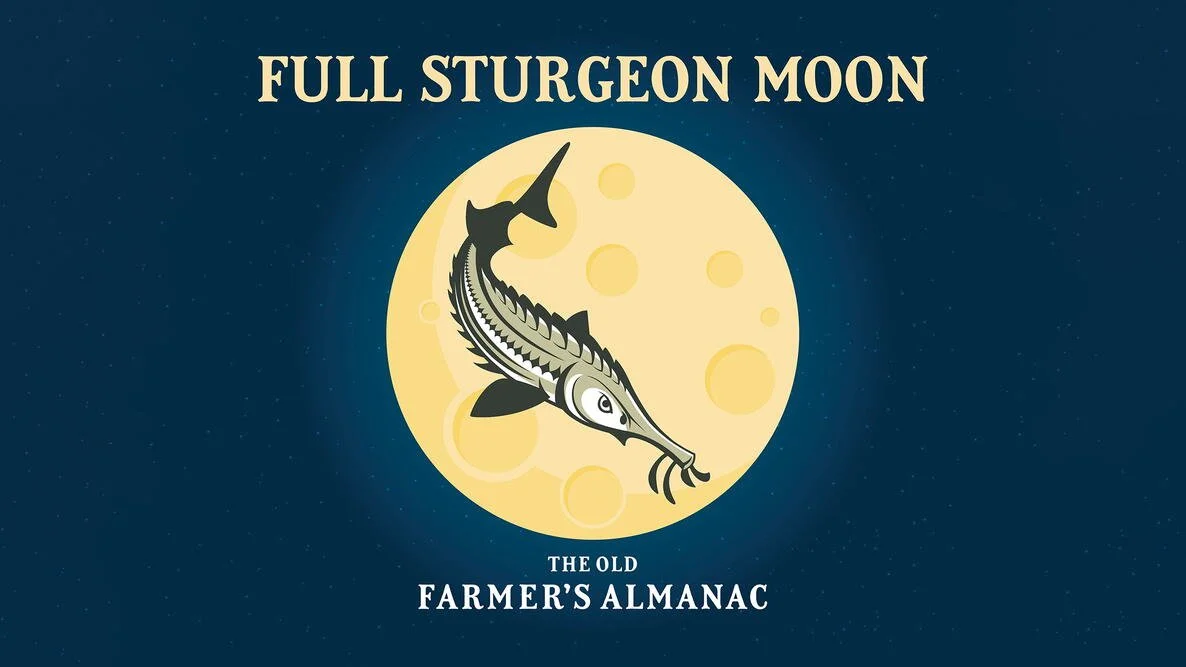
Full Sturgeon Moon
August’s Sturgeon Moon rises as a symbol of abundance, nourishment, and gratitude for the resources that sustain life. In 2026, this full moon is accompanied by a partial lunar eclipse, subtly shading the lunar surface and adding a reflective quality to its energy. Its name comes from the sturgeon fish that were traditionally plentiful during this season, offering reliable nourishment and reflecting the rewards of patience and steady effort. Together, the full moon and eclipse highlight the balance between visibility and obscurity, reminding us that abundance is shaped not only by what is gathered, but by what is consciously tended and preserved.
Lammas ~ First Harvest
In 2026, Lammas (also known as Lughnasadh) will be observed on Saturday, August 1. This festival marks the beginning of the harvest season and is the first of three harvest celebrations in the "Wheel of the Year.” It serves as a seasonal turning point, midway between the summer solstice and the autumn equinox.
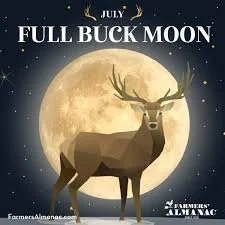
Full Buck Moon
This moon marks the time of the year when male deer begin regrowing their antlers, symbolizing strength, development, and rising power.
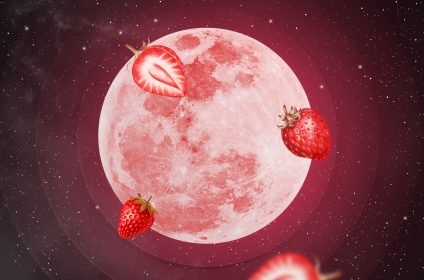
Full Strawberry Moon
The Strawberry Moon name comes from the Native American Algonquian tribe and Ojibwe, Dakota, and Lakota, who used it to track when wild strawberries were ripe enough to pick. This Moon reminds us to enjoy what’s ripe before it passes.

MidSummer ~ Solstice ~ Feast of Litha
On this day at 4:24am we mark the summer solstice: when the sun is at its furthest point from the equator, making it the longest day of the year. It has been marked as the high point of summer – or midsummer – since the Neolithic era. At Old Soul Sanctuary, we honor traditions and folklore of this ancient festival and explore how it was once observed at places we caretake.
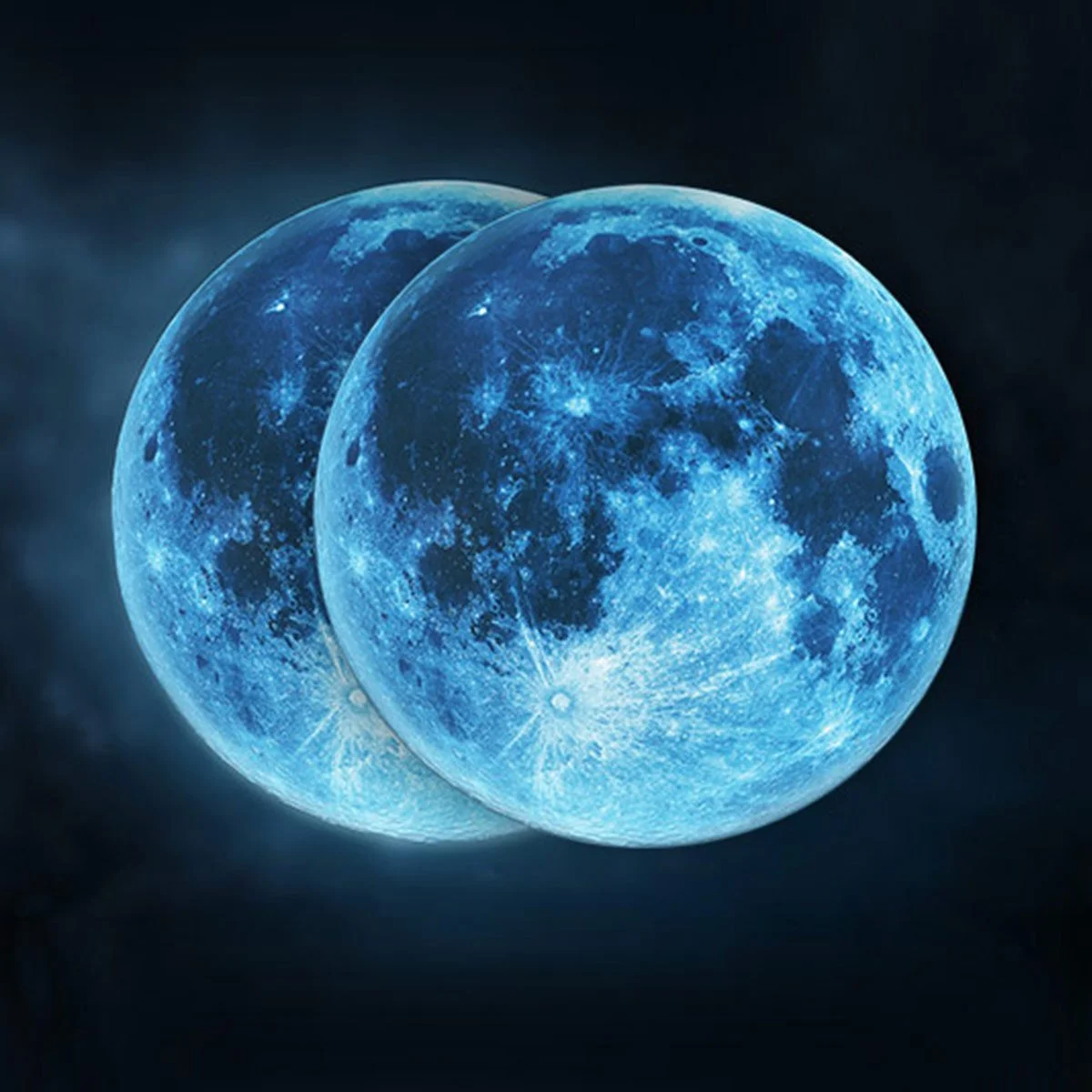
Blue Moon
May 2026 brings one of the seldom seen “Blue Moons,” which is two full moons occurring in the same calendar month. You may recall as a child your parents or grandparents saying when a rare event occurred, it was called ‘once in a blue moon.’
Traditionally, Blue Moons happen every 2-3 years, and are markers of imbalance or adjustment. Pay attention to moments that require attention during this cycle.
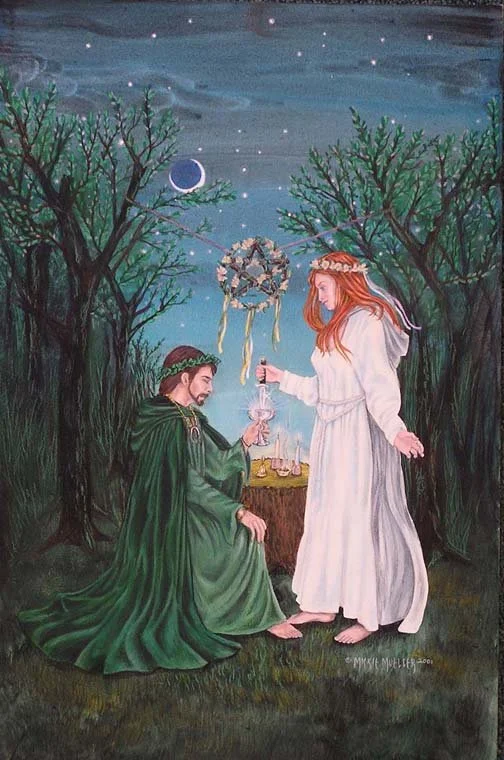
Beltane ~ May Day Celebration
Beltane is an ancient Gaelic and Celtic festival, celebrated around May 1st, marking the beginning of summer with themes of fire, fertility, and renewal, traditionally involving large bonfires for purification and protection of people and livestock, alongside feasting, dancing, and rituals connecting to nature's blossoming life and the thin veil between worlds. Modern celebrations, often called May Day, continue these traditions, focusing on vitality and community.
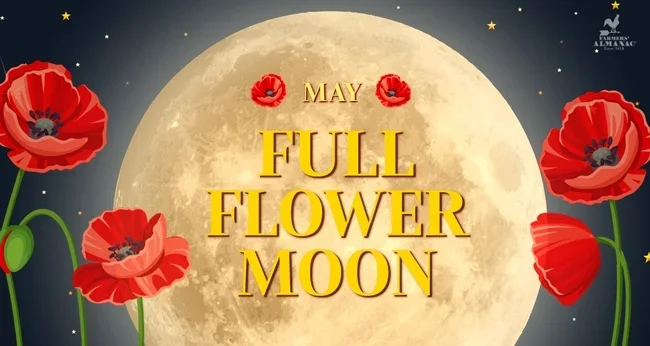
Full Flower Moon
By May, flowers are everywhere. This Moon symbolizes abundance and visibility. Beautiful things take time, but they always arrive.
Full Pink Moon
Join us for a gentle spring yoga session under the full pink moon. 7-8pm. $20 suggested donation. Weather Permitting
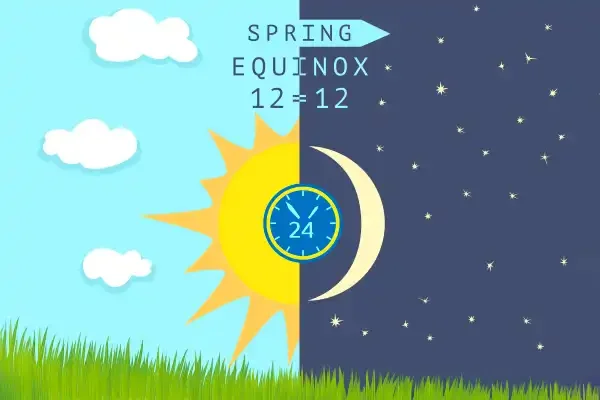
Spring Equinox
At 10:46am, the earth will balance itself in perfect, equal halves of light and dark.
Celebrate the arrival of longer, brighter days with the animals and new growth at the Sanctuary. We will offer a Sunset Yoga session, a warm soup dinner, and activities for planting new seeds for spring gardens.

Full Worm Moon
As the ground softens, earthworms reappear, signaling the return of birds. For many tribes, this Moon marked the start of spring.
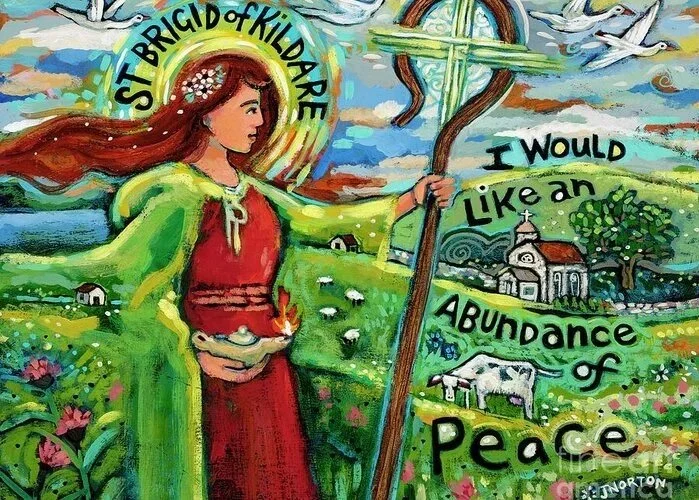
Feast of St. Brigid
The 1st of February is an important day in Ireland since the Celtic twilight. It is known as the festival of Imbolc and the Feast of St. Brigid, and marks the beginning of Springtime.